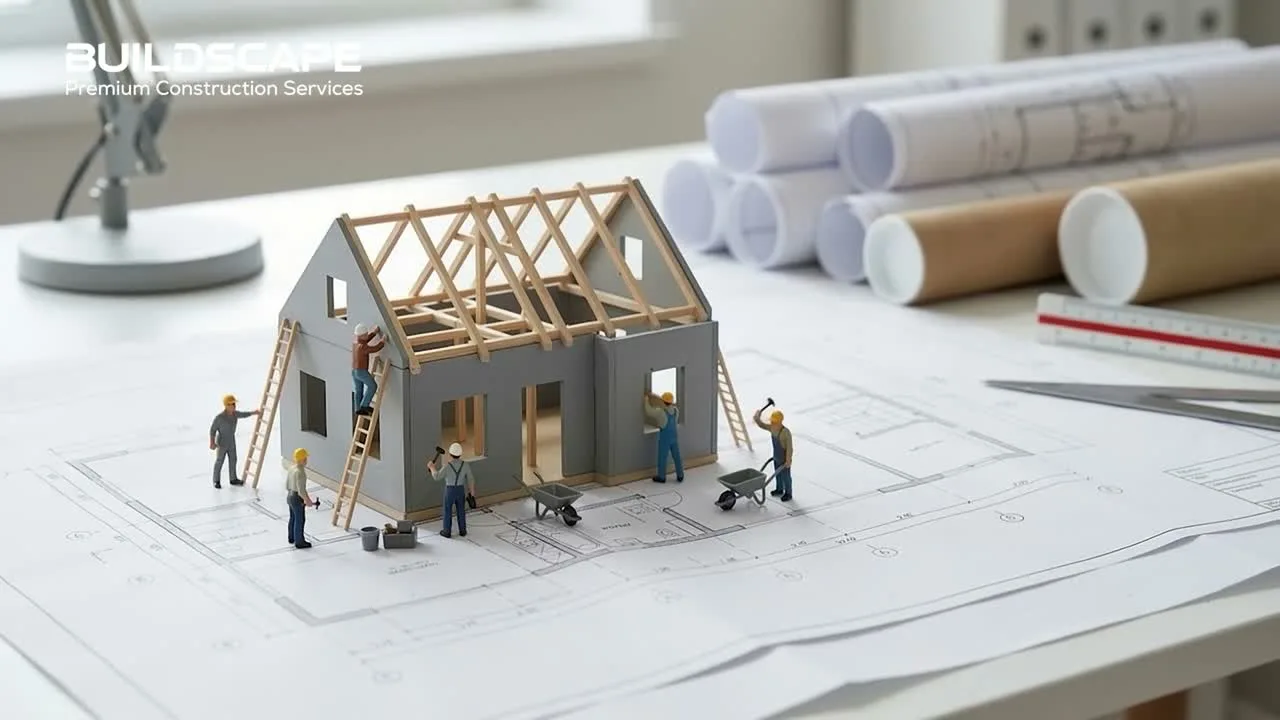
Why construction costs change—and how to plan a clearer budget
A practical guide to construction cost variation: scope, specifications, quantities, site conditions and change control for homeowners in Islamabad and Rawalpindi.
By Buildscape · Video with an editorial planning guide
Why construction costs change—and how to plan a clearer budget Construction costs change when the scope, quantities, specifications, site conditions, programme or market prices change. A useful budget states its assumptions and exclusions, separates allowances from confirmed prices, and records approved changes. A headline rate alone cannot define the cost of a particular home. Start with the same scope: Two quotations can look comparable while covering different work. Check covered area assumptions, structure, finishes, services, external works and exclusions. Ask each bidder to price the same information. An inexpensive quote may simply leave more decisions and costs unresolved. Separate design decisions from price movements: A specification upgrade changes the scope; a supplier price movement changes the cost of an existing specification. Record them separately. This makes it easier to see which changes the client controls and which require a procurement or contract response. Review the site and the programme: Access, ground conditions, temporary works and delivery constraints can affect the resources a project needs. Delays can also change procurement timing and site overheads. Ask the project team to identify uncertain items early and explain how they will be investigated and priced. Use a budget that can be updated: Maintain a baseline budget, committed orders, approved changes and remaining allowances. Record the date and validity of quotations. Review the forecast at design decisions and before major purchases. The purpose is to make changes visible while there is still time to choose an alternative.
This is a structured accessibility and search summary, not a verbatim transcript.
Start with the same scope
Two quotations can look comparable while covering different work. Check covered area assumptions, structure, finishes, services, external works and exclusions. Ask each bidder to price the same information. An inexpensive quote may simply leave more decisions and costs unresolved.
Separate design decisions from price movements
A specification upgrade changes the scope; a supplier price movement changes the cost of an existing specification. Record them separately. This makes it easier to see which changes the client controls and which require a procurement or contract response.
Review the site and the programme
Access, ground conditions, temporary works and delivery constraints can affect the resources a project needs. Delays can also change procurement timing and site overheads. Ask the project team to identify uncertain items early and explain how they will be investigated and priced.
Use a budget that can be updated
Maintain a baseline budget, committed orders, approved changes and remaining allowances. Record the date and validity of quotations. Review the forecast at design decisions and before major purchases. The purpose is to make changes visible while there is still time to choose an alternative.
The written guide is editorial context for the topic, not a verbatim transcript or an attribution of these exact points to the speaker. Apply it to your project with the appointed team.
Your next questions, answered.
Can a per-square-foot rate give the final price?
It can be a starting comparison only when its area definition and inclusions are clear. A project-specific budget needs quantities, specifications and site information.
How much contingency should I keep?
There is no universal amount for every project. Discuss the unresolved design, site and procurement risks with your project team and document the basis of the allowance.
How do I compare quotations fairly?
Issue the same scope and specifications, then compare quantities, exclusions, payment terms and allowances alongside the total.